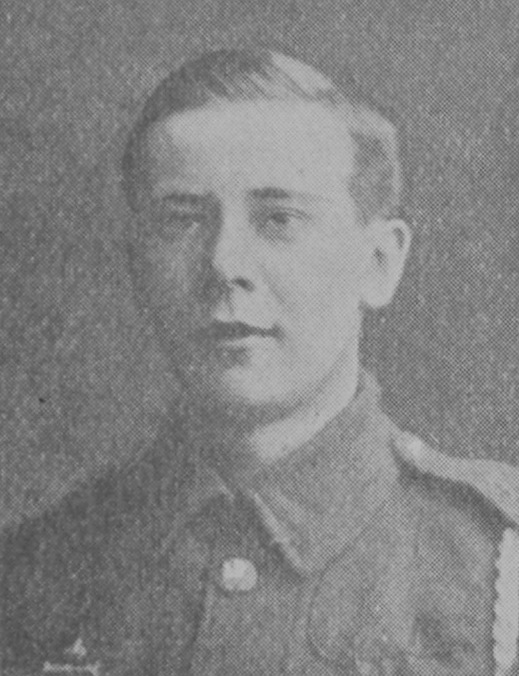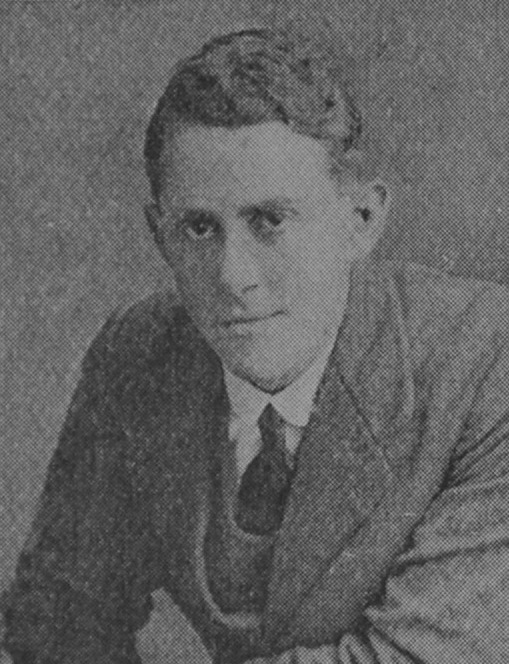
Hampton J L L/Cpl 199 5th London Regiment
L ANCE-CORPORAL JOHN LATHAM HAMPTON, London Rifle Brigade, was the son of C. A. Hampton of Ewell, Surrey, and was born in 1877.
He was educated at Whitgift Grammar School, played cricket and football for his school, was prominent in boxing and athletics, and was a member of the Shooting Eight which won the Ashburton Shield at Bisley.
On leaving school he entered the office of Le Blanc Smith and Co., becoming a member of the Stock Exchange in 1901 and a partner in this firm in 1904. In 1912 he joined Durham Stokes and Co. in partnership.
Meanwhile, on the outbreak of the South African War, he had volunteered for service, and during the early months of 1900 fought with the C.I.V.’s until invalided home with enteric.
On the outbreak of war he offered his services to the London Rifle Brigade and, after being rejected once on account of his age, he was accepted in October and soon after left for France.
After serving all through the winter he was killed by a sniper on 3 May 1915, when just about to receive a commission in the East Surrey Regiment.
His Company Commander wrote: “There is no one whom we shall miss more than your son. The men have been absolutely magnificent all through, and it is to your son and B- that I have put down the credit of most of it. They have always been so cheery and full of confidence, that they have infected the younger and less experienced men round them with something of their own spirit.”
Source : The Stock Exchange War Memorial 1914-1918

Banks F L Cpl 370 And Hampton J L L/Cpl 199 5th London Regiment
DIED FOR THEIR COUNTRY.
TWO CHUMS WHO HAVE LAID DOWN THEIR LIVES.
Two chums who served together in the London Rifle Brigade, F. L. Banks and J. L Hampton, both, lance-corporals, have laid down their lives within ten days of each other. Lance-Corpl. Banks, who was a son of Mr and Mrs, F. S. Banks, of 4, John Street, Bedford Row, who years ago lived at Leslie Lodge, Lower Addiscombe Road, Croydon, died on May 13th, having been shot through the head by a German sniper. he was an Old Whitgiftian, and was one of the most. popular of Old Boys. He distinguished himself as an athlete. while at the school, winning the coveted Spencer Cup, and after leaving school won the mile Old Boys’ race for three years. He went through, the Boer War in the City Imperial Volunteers, and on the outbreak of the present war joined the London Rifle Brigade.
In a letter to lance Corporal Banks’s father, Lieut. Trevelyan, commanding his company…pays a cordial tribute to the character and services of the two friends :
L.R.B.
British Expeditionary Force,
May 18th, 1915.
“Dear Mr. Banks,- You have, I know, already had news of the death of your son on the 13th May. He was shot through the head by a German sniper and died without regaining consciousness. We buried him at night and took from his body a few personal things which should reach you in a few days. What his loss will mean to you and Mrs. Banks we can only imagine, but I should like to convey to you on behalf of his old company our deepest sympathy in your loss. You may have heard of Jack Hampton’s death ten days before your son’s. It is almost impossible to write any sort of appreciation of what those two men were to their company, their platoon and to me personally. Owing to casualties I have come to command the company, but for several months I was in charge of No. 4 Platoon. It was the spirit and the experience of those two, that made the Platoon what it was, and many a time they have given me comfort and courage in difficult times. Now they have both fallen in action, as I think they would have wished. They have given their lives for their country and helped to maintain a fine tradition. Their memory, will long be kept green in the Regiment, and especially in this Company. When we get into tight places again I know that many of us who have been taught by him will think of Freddy Banks and his cheery confidence, and take courage… More than this, I think one could not say of any man.
With our deepest sympathy to you and Mrs. Banks,
I am, Yours very truly.
C. W. TREVELYAN
Lt., L.R.B.,
No. 1 Company.”
In the photograph Lance-Corporal, Banks is seen sitting and Lance-Corporal Hampton standing. Lance Corporal Hampton was shot through the head on May 3rd. Like his comrade, he was an Old Whitgiftian and was well known in the world of sport. His family live at Selling House, Ewell. His parents, Mr. and Mrs. C. A. Hampton have lost another son in the war. Private W. Hampton, who was also in the London Rifle Brigade and was in the same company as his brother.
J. L. Hampton was a member of the Brigade from 1897 to 1903, and served in the C.I.V. Mounted Infantry during the South African War. He rejoined the Brigade on the outbreak of the present war, arriving in the trenches in the middle of November. He died within an hour of being shot.
Lieut. L. W. Trevelyan, writing to Mr. and Mrs. Hampton, says: “The men have been absolutely magnificent all through, and it is to your son and Banks that I have put down the credit of most of it. Apart from always being ready to do anything themselves, they have always been so cheery and full of confidence that they have infected the younger and less experienced men round them with something of their own spirit.”
Private W. Hampton joined the Brigade in January, 1910, and after a time resigned. He rejoined in August, arrived in the trenches in the middle of November, and was shot through the neck on January 16th, dying at a nursing home in London on the 14th inst. Banks, who was promoted corporal before his death, had a fine record. He had been twice wounded before the fatal bullet struck him. His pluck and coolness had been shown long before the war, and it is recalled that once when shooting for his school for the “Daily Telegraph” prize he heard that a boy was drowning. He plunged in and brought the boy out, though unfortunately the boy did not survive. Then he went to the range and won his competition. For his conduct on this occasion. Bank was awarded the Royal Humane Society’s certificate and medal.
Some idea of the, fighting in which the two comrades have fallen may be gathered from the description from the Front published this week:- “The London Rifle Brigade; which went through all the heaviest fighting. suffered terribly. but their conduct such that one General described them to me as “the finest battallion God ever made.” They were constantly exposed to the most severe shelling, but their courage never broke. The spirit of the men is well illustrated by the following incident: One portion of the trenches, where Captain Railston (1st Rifle Brigade) was in command, was almost blotted out by the enemy’s fire. Traverse after traverse was destroyed, and men were falling on all sides. A retirement was suggested, but Captain Railston retorted, “Retreat be d-,” and carried on so successfully in the ruined trench that, though he was buried twice and wounded by a shell, he bluffed the Germans during the whole day. Only three men besides himself were left, and yet. by running-up and down the trench and firing several rounds of rapid when any German advance was attempted. these four heroes kept the enemy back till two companies of another regiment arrived in support.
“One specially gallant act was performed by Sergt. Belcher, of the London Ride Brigade, who by his action probably saved the flank of his line. The line held by the cavalry on his left was pierced, but Sergt. Belcher, with eight men and two Hussars hung on to the trench and kept the Germans at bay the whole day. Though four of his men were knocked out, and the trench was blown to bits, the little party kept up magnificent bluff and every time the Germans advanced they were met by rapid fire and were forced to withdraw in the belief that the trench was fully manned.”
Source : The Croydon Advertiser 28th May 1915